
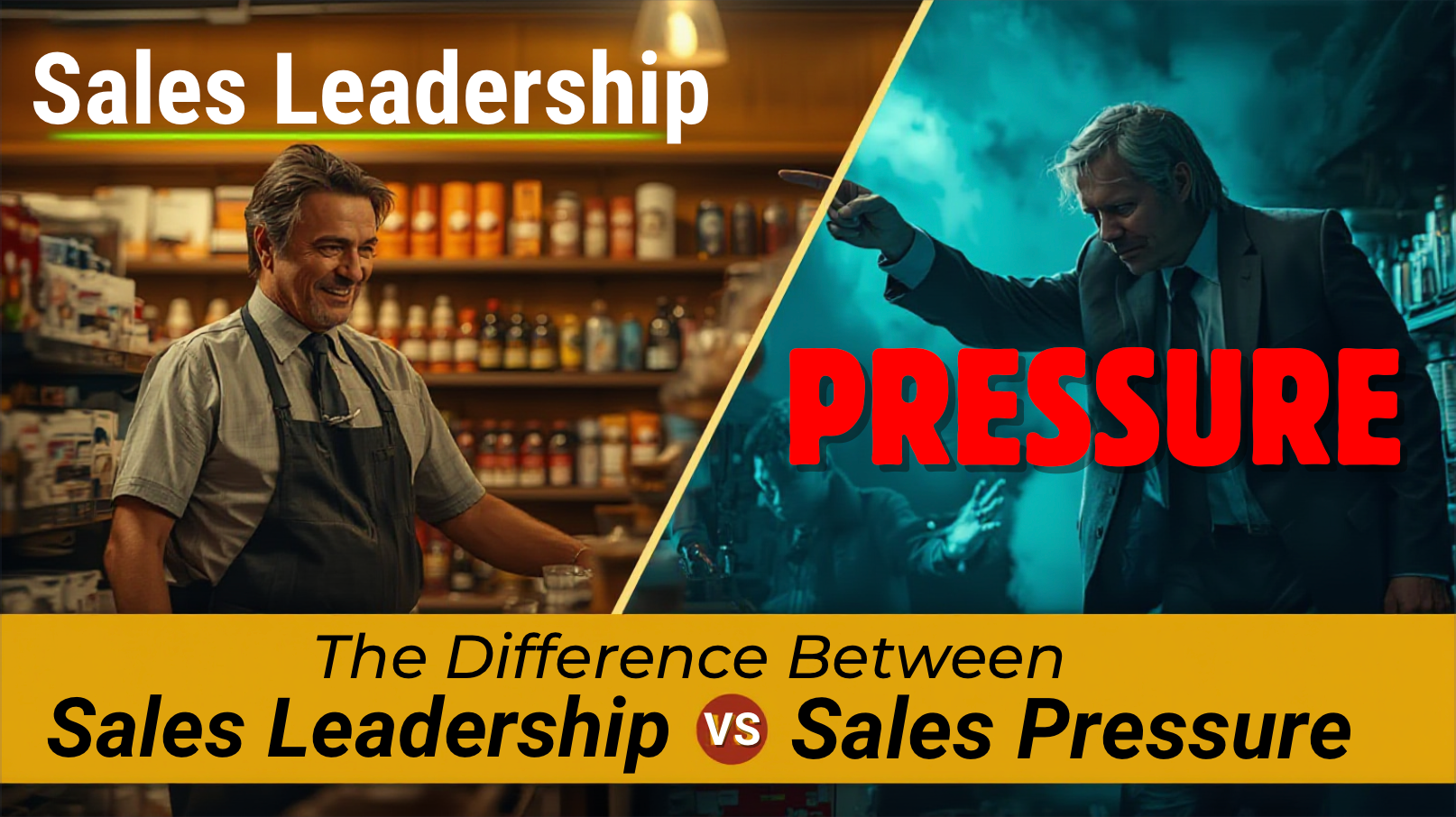
A lot of smoke shop owners are afraid of one thing:
“I don’t want my employees to pressure customers.”
That fear is understandable — and it’s also one of the biggest reasons sales stay weak.
Because pressure is not the problem.
Lack of leadership is.
Most smoke shops don’t have pushy sales floors.
They have directionless ones.
They have directionless ones.
Why Owners Confuse Leadership With Pressure
Owners confuse the two because both involve employees talking.
But that’s where the similarity ends.
Pressure feels like:
-
rushing
-
pushing one product
-
ignoring customer input
-
talking over objections
-
forcing a close
Leadership feels like:
-
calm guidance
-
confident recommendations
-
structured options
-
steady pace
-
clarity
Customers resist pressure.
They respond to leadership.
Why Smoke Shop Customers Need Leadership More Than Most
Smoke shop customers walk in with:
-
uncertainty
-
partial knowledge
-
legal concerns
-
sensory overwhelm
-
decision fatigue
This isn’t a clothing store.
Customers don’t want to browse endlessly.
They want someone who knows what they’re doing to lead them through the decision.
When nobody leads, customers either:
-
buy the cheapest thing
-
buy nothing
-
feel unsure
-
don’t return
That’s not pressure avoidance.
That’s lost opportunity.
What Sales Pressure Actually Sounds Like
Pressure usually shows up as:
-
“This is the one everyone’s getting — you should grab it now.”
-
“You don’t want to miss out.”
-
“This deal ends today.”
-
“Trust me, just get this.”
-
“Everyone buys this.”
Pressure ignores context.
Leadership responds to it.
What Sales Leadership Sounds Like Instead
Leadership sounds like:
-
“Based on what you said, this makes the most sense.”
-
“Here are the three options that fit what you’re looking for.”
-
“This one costs more, but here’s why people choose it.”
-
“Most customers in your situation start here.”
Leadership reduces anxiety.
Pressure increases it.
Why Customers Don’t Object to Leadership
Customers object when:
-
they feel rushed
-
they feel misunderstood
-
they feel pushed
-
they feel talked into something
They don’t object when:
-
they feel guided
-
they feel heard
-
they feel supported
-
they feel confident
Leadership makes objections rarer — not louder.
Why Employees Default to Pressure or Passivity
Without training, employees swing between two extremes:
-
Pressure — trying to “close”
-
Passivity — letting customers decide everything
Both are failures.
Pressure scares customers.
Passivity abandons them.
Passivity abandons them.
Leadership sits in the middle.
The Real Reason Owners Fear Sales Leadership
Owners fear leadership because:
-
it requires confidence
-
it requires correction
-
it requires structure
-
it requires accountability
It’s easier to say:
“Just don’t pressure people.”
But that statement gives employees no direction.
So they do nothing.
How Sales Leadership Protects Your Brand
Sales leadership:
-
makes your shop feel professional
-
builds trust quickly
-
increases ticket size naturally
-
reduces buyer’s remorse
-
creates repeat customers
-
separates you from gas-station retail
Pressure damages reputation.
Leadership builds it.
Where Owners Must Draw the Line
Owners must be crystal clear:
Leading is required.
Pressuring is not allowed.
Pressuring is not allowed.
That means training employees on:
-
how to ask guiding questions
-
how to present options
-
how to recommend confidently
-
how to pause and let customers decide
-
how to respect hesitation without retreating
The 4 Pillars of Sales Leadership in a Smoke Shop
If you want leadership instead of pressure, enforce these.
1. Recommendation Over Opinion
Employees should not say:
“I like this one.”
They should say:
“This works best for what you described.”
That removes ego and adds authority.
2. Options Over Ultimatums
One option feels like pressure.
Three options feel like freedom — with guidance.
3. Confidence Over Volume
Leadership is calm.
If employees talk fast, explain too much, or rush, they’re compensating for uncertainty.
4. Silence Over Over-Selling
Strong leaders stop talking and let customers process.
Pressure keeps talking.
Why Leadership Increases Average Ticket Without Feeling Salesy
Leadership reframes value.
Customers spend more because:
-
they understand the difference
-
they trust the recommendation
-
they feel supported
-
they feel safe choosing better options
Pressure doesn’t create value.
Clarity does.
The Owner’s Role in Creating Sales Leadership
Owners must:
-
model leadership language
-
correct pressure language immediately
-
correct passivity immediately
-
role-play leadership scenarios
-
reinforce calm confidence
-
remove “whatever” behavior
Sales leadership is trained — not assumed.
Why This Matters More Now Than Ever
As categories change and customers become more cautious, leadership matters more.
Confused customers don’t want pressure.
They want direction.
And direction is what strong shops provide.
Final Thought
Pressure pushes customers away.
Passivity lets them drift.
Leadership guides them forward.
If you want stronger sales without damaging trust, stop fearing leadership and start training it.
Because the best smoke shops don’t push people to buy.
They lead them to the right decision.